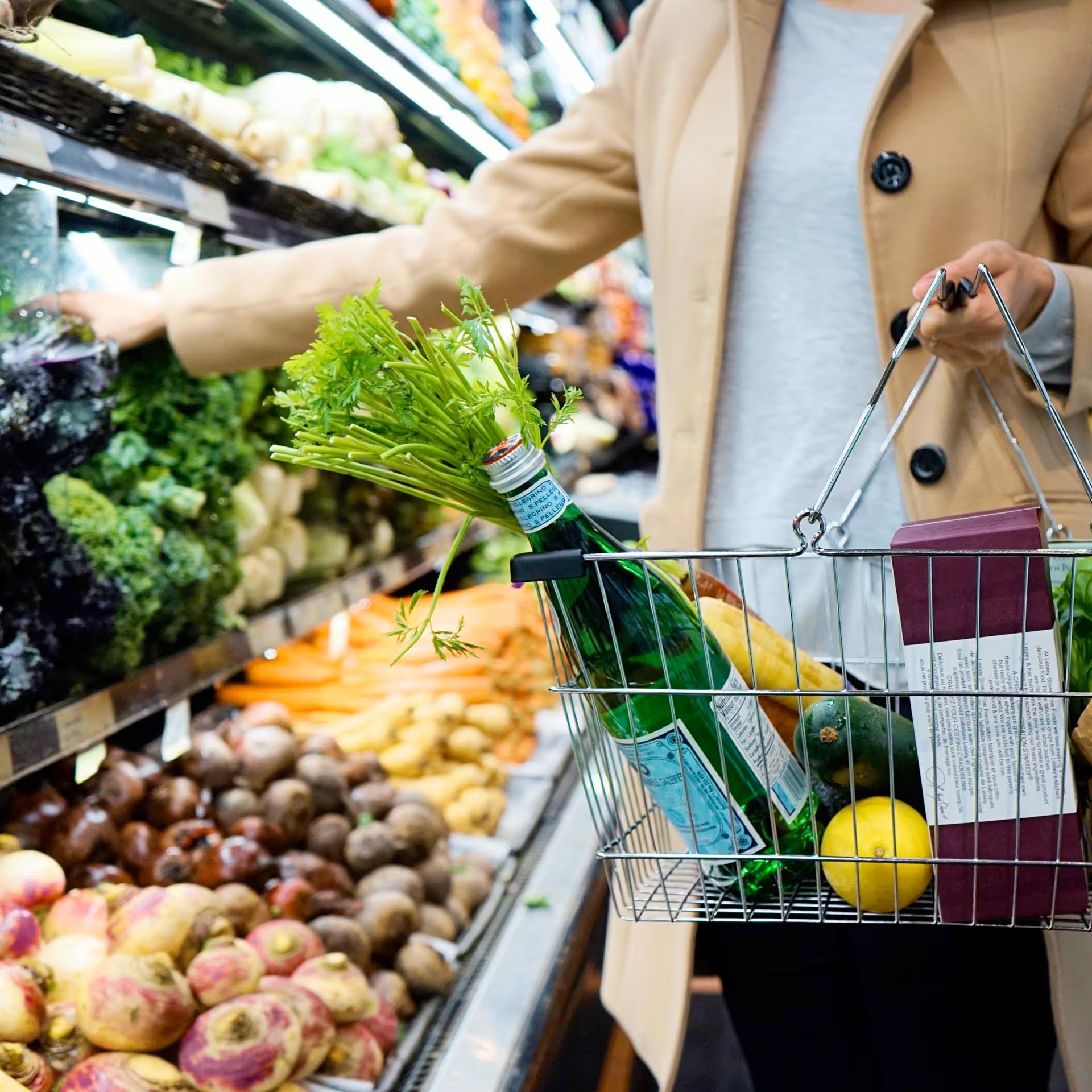

Our latest nationally representative research with more than 1,000 UK consumers uncovers the major behavioural shifts influencing how people shop, eat and drink as we move through 2026. These findings reveal a marketplace where priorities are evolving, routines are fragmenting, and expectations of brands are becoming more nuanced.
For teams working in category management, category strategy, shopper insights and range planning, these shifts highlight where growth is emerging, how shopper behaviour is changing, and which levers will matter most for future category optimisation. Understanding these dynamics is essential for building relevant, insight led category recommendations.
Across all categories, from fresh to frozen, traditional to emerging, minimally processed to highly technical, these trends represent opportunities rather than obstacles, showing where consumers are headed, what they value and how brands can deliver relevance, reassurance and inspiration.
1. Health Priorities Are Evolving…and Becoming More Personal
Consumers continue to place strong emphasis on health, but how they define it varies widely across age groups and lifestyles.
Current health interests include:
- Increasing protein intake
- Supporting gut health
- Boosting energy and immunity
- Choosing foods perceived as “simple” or “closer to nature”
Younger consumers lean into functional benefits such as metabolism, sleep and mental wellbeing. Older shoppers tend to focus on balance, familiarity and everyday nutrition.
Implications for Brands & Category Management
- Shifting health priorities influence category segmentation, pack messaging and innovation strategy.
- There is room for both fortified and naturally positioned products.
- Processing can be reframed positively when aligned with safety, affordability or enhanced nutrition.
- Clear communication helps shoppers feel confident rather than overwhelmed.
For category managers, this means identifying the health cues and claims that actually convert in each category.
2. Micro Meals Are Reshaping Daily Eating Patterns
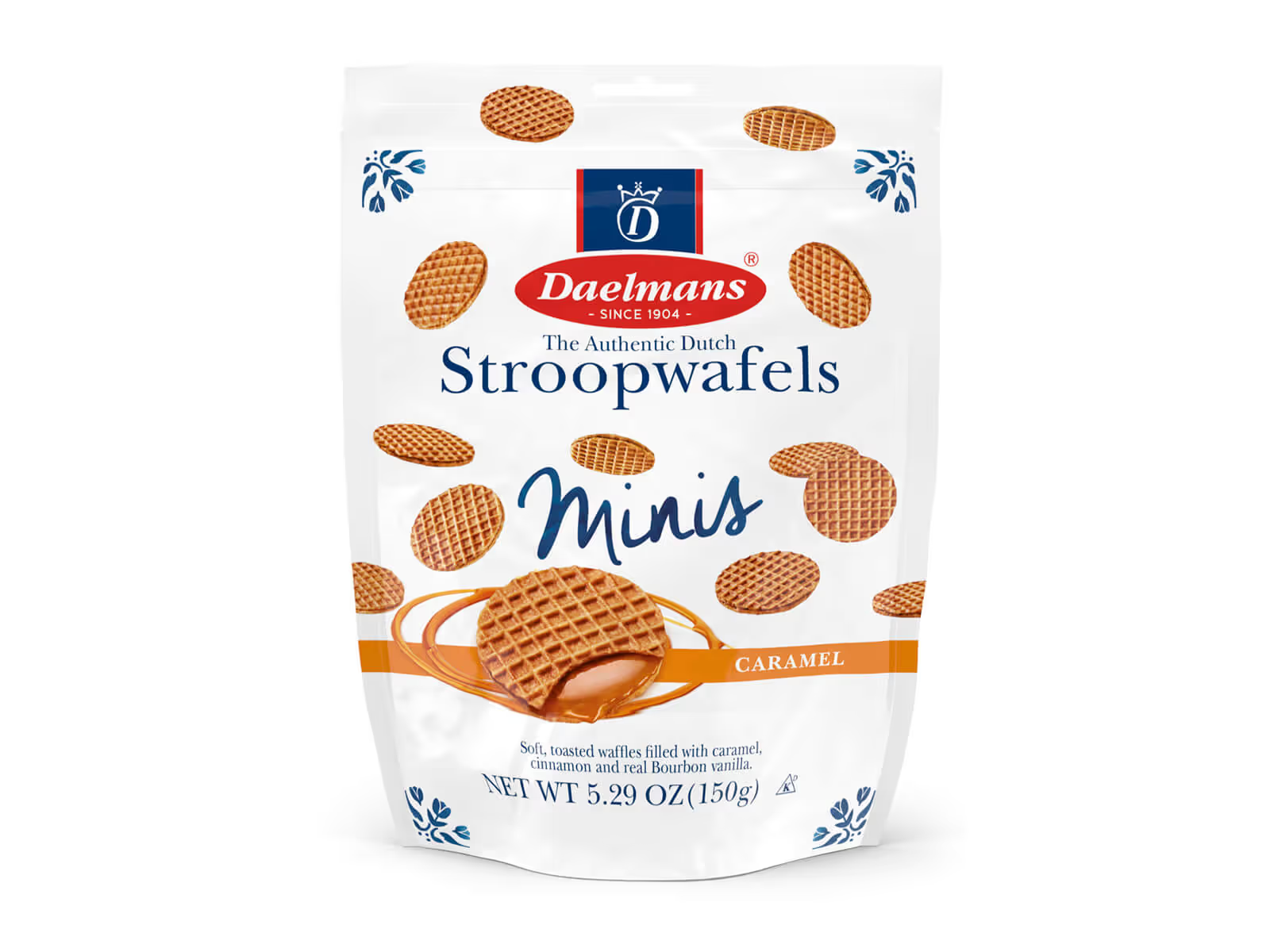
Nearly half of consumers now replace at least one traditional meal with snacks or “micro meals.” This shift reflects busy lifestyles, changing appetites, weight management strategies and flexible eating occasions.
This behaviour is most common among 18–34s but spans all demographics.
Implications for Brands & Category Management
- Products that work across multiple moments win: snacks that serve as meals, meals divisible into smaller portions.
- Portability, convenience and satiety are becoming critical purchase drivers.
- Even smaller formats need to reassure on nutrition.
For category managers, micro meals reshape fixture flow, mission based merchandising, pack sizes and adjacent placement opportunities.
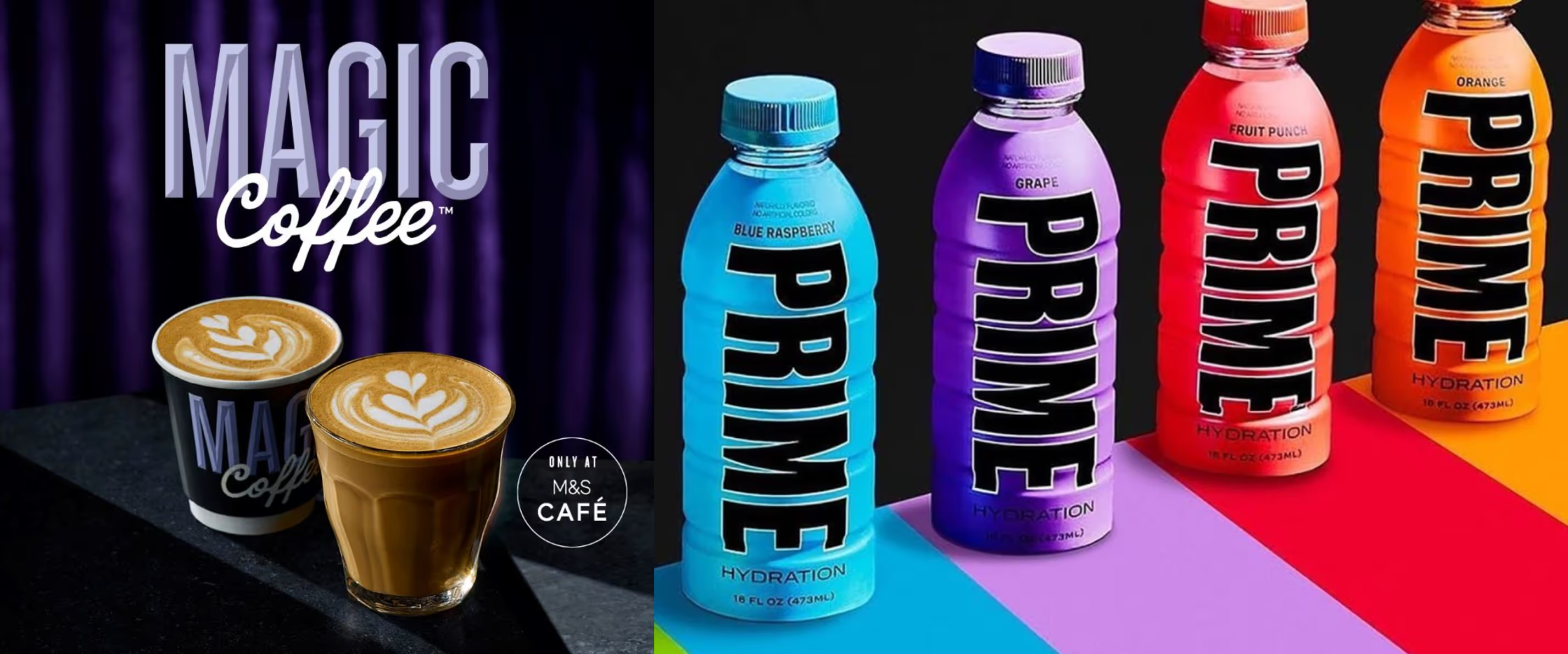
3. Mini Drinks Are Emerging as a High Interest Trend
Mini drinks (such as small serve cocktails) are becoming increasingly visible in hospitality.
- 1 in 5 consumers have noticed them on menus
- Two thirds of those who noticed have purchased
- Interest is strong among younger adults but not exclusive to them
Shoppers are drawn to variety, moderation, playfulness and the ability to try new things without committing to a full-size serve.
Implications for Brands & Category Management
- Small serve innovation has opportunities in both hospitality and retail.
- Mini formats encourage mindful consumption without compromising enjoyment.
- They act as trial drivers for new flavours and seasonal releases.
For category management, this opens opportunities for premium mini formats, trial based merchandising and on fixture discovery zones.
4. Quality Is Being Redefined…and It’s Not Just About Price
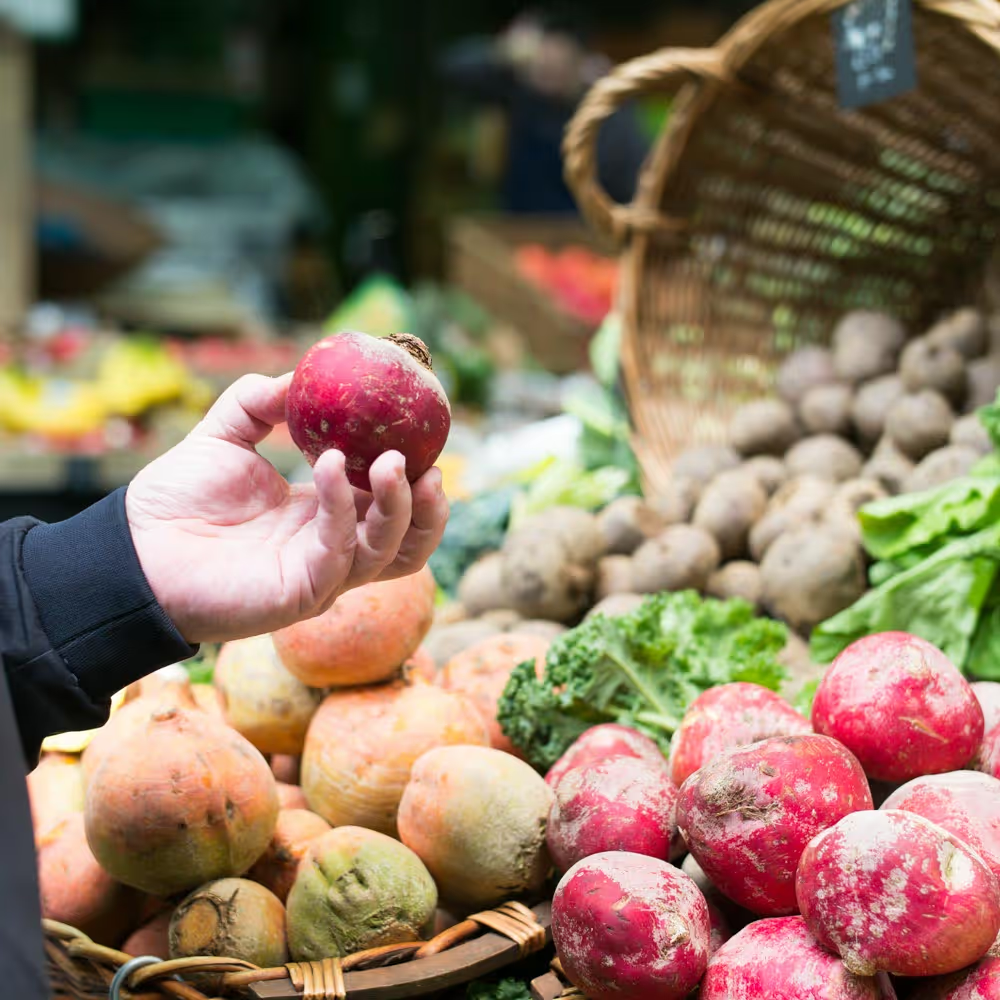
When consumers talk about quality, they reference a blend of:
- Taste
- Freshness
- Naturalness
- Ingredient clarity
- Brand trust
- A sense of treating themselves
Consumers are most willing to trade up when rewarding themselves — whether for celebrations or small moments of everyday enjoyment.
Implications for Brands & Category Management
- Premiumisation can come through craftsmanship, flavour, origin, sustainability or indulgent experience.
- Communicating why a product is high quality builds trust.
- Value remains essential; shoppers balance price with pleasure, portion size and dependability.
Category managers should reflect this shift in good better best strategies, premium tiering and pricing architecture.
5. Digital Touchpoints & Trust Are Central to Decision Making
Technology plays a growing role in food and drink, but only when it provides clear benefits.
- Younger generations are more likely to scan QR codes
- Those who scan often report a positive experience
- Many consumers feel they already have enough point of sale information
- Cyber security concerns influence trust
Implications for Brands & Category Management
- Digital elements should deliver value: recipes, provenance, rewards, or inspiration.
- Transparency around data usage strengthens trust.
- Tech enabled storytelling deepens connection, especially for younger shoppers.
For category managers, digital touchpoints create opportunities for path to purchase insight, targeted content and digital shelf optimisation.
Summary
The UK food and drink landscape is becoming more flexible, personalised and experience driven. From micro meals to mini drinks, evolving health priorities to changing definitions of quality, consumers are navigating choices in more nuanced ways than ever before.
What unites these trends is opportunity - for brands and category teams to connect more deeply, communicate more clearly and innovate in ways that meet consumers where they are.
Levercliff’s Big Trends research provides an evidence based view of market forces shaping 2026, helping manufacturers, retailers and category management teams respond with confidence, relevance and creativity.
Download your copy of the full research here.
- Explore our Category Management Services
- View our Category Insight Case Studies
- Learn more about our Food & Drink Trends Research

.png)
.avif)
















.jpg)